
 Mike Boots: After a mostly empirical PhD at Liverpool, I held a JSPS Postdoctoral fellowship in the Entomology Department of Kyoto University and a European Union Postdoctoral Fellowship in the mathematical biology group in Kyushu. I then worked in the medical entomology department of the Institute of Tropical Medicine, applying mathematical models to problems in human disease interactions and working on vector ecology in the medical entomology department. I returned to the UK in 2000, on a NERC Advanced Fellowship, and subsequently held Readerships at the Universities of Stirling and Sheffield. I was made Professor of Disease Biology in the Department of Animal and Plant Sciences in Sheffield in 2007, moved to Exeter in 2011, and to UC Berkeley in 2015. My Google Scholar profile is here.
Postdoctoral Researchers
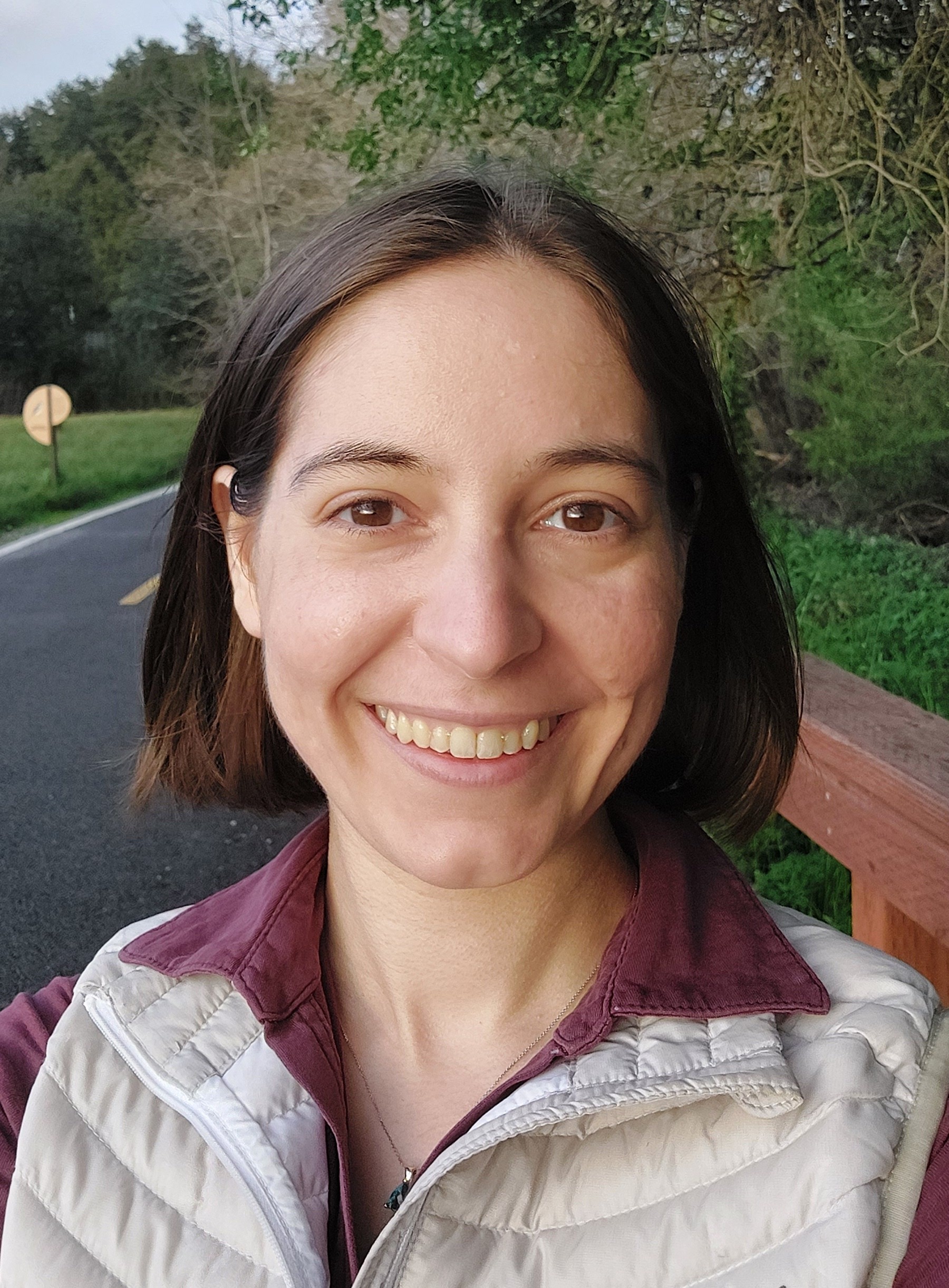 Alexandra Brown: I am interested in modeling evolution in symbiotic relationships, particularly in response to changing costs and benefits of symbiosis. I am currently working on models of aquatic symbiosis and host-microbiome evolution. Previously, I did postdoc research at UCSB on models of tree-fungal symbiosis (with Dr. Stephen Proulx) and coral symbiosis (with Drs. Holly Moehler, Ross Cunning, and Roger Nisbet). I did my PhD at the University of Pennsylvania with Dr. Ecol Akçay, studying transmission evolution in conditionally beneficial symbioses. I got my undergraduate degree at Brown University, where I worked in Dr. Dan Weinreich’s lab modeling bacteriophage evolution. Alexandra’s Google Scholar.
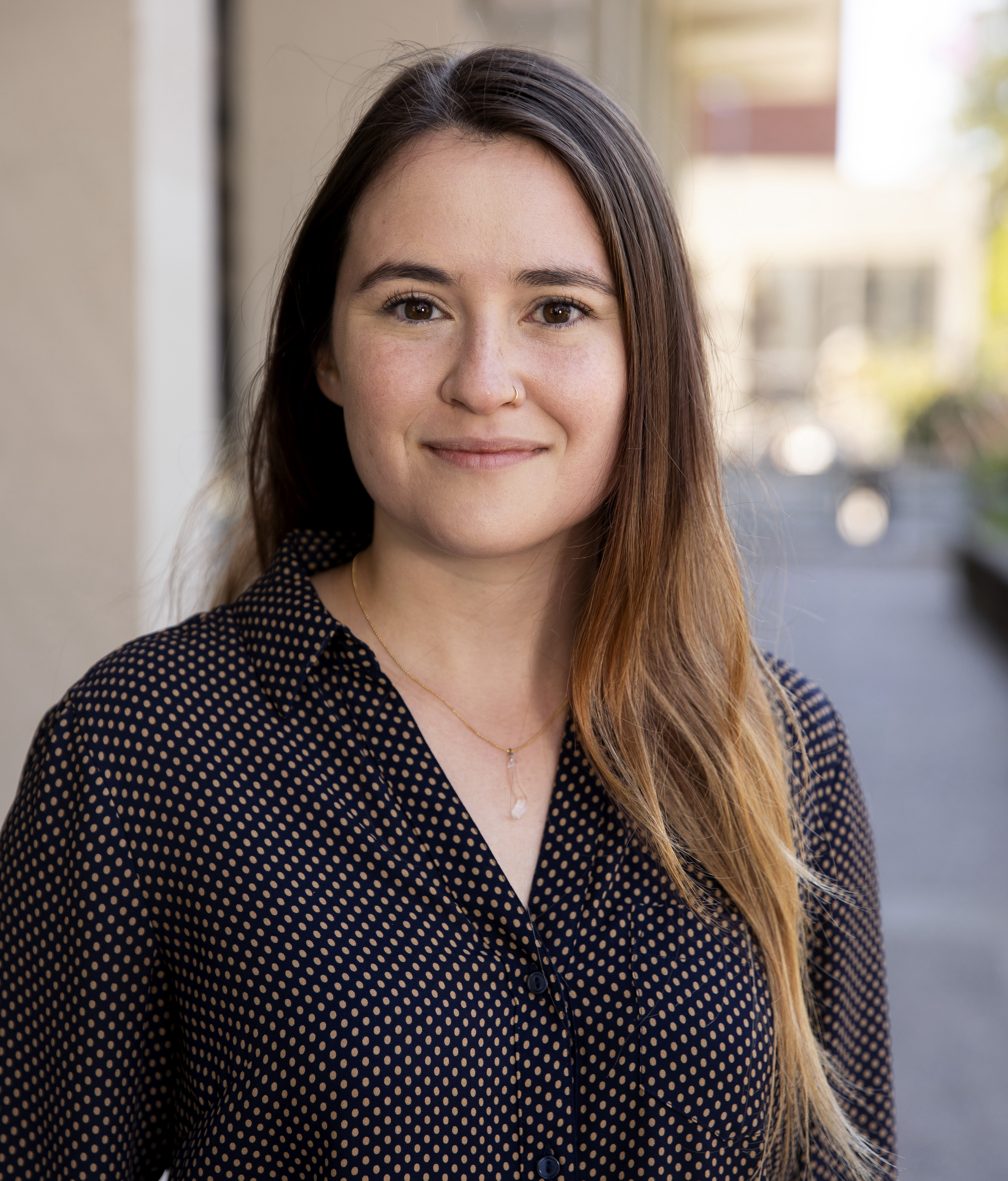 Signe White: My primary research project in the Boots Lab involves understanding the effects of multiple heterogeneities (population structure, transmission, and host-parasite interaction specificity) on pathogen virulence and host defense. I also have side quests in how phoresy (hitchhiking) and migration/dispersal impact host-parasite dynamics. I received my Bachelors degrees at Indiana University and then went on to be a research assistant with Dr. Kristi Montooth, where I learned the fundamentals of evolutionary genetics. I then received a PhD at Emory University in Population Biology, Ecology, and Evolution with Drs. Levi Morran and Jaap de Roode. Signe’s Website, Twitter, Research Gate, Google Scholar.
 Nina Sokolov: I study disease ecology in California’s managed and native bees. I am interested in understanding how crop pollination events and industrial agriculture impact viral dynamics in both managed and wild pollinators to design ecologically minded disease management strategies. I study the viral dynamics of commercial honey bees as they participate in the California almond bloom. Additionally, I work in the Sierra Nevada Mountains studying virus dynamics between managed honeybees and native bees. Finally, I work on ranches and in gardens throughout Marin County in Northern California studying honeybee and bumblebee viruses through time to see how management styles affect shared bee viruses. I am also passionate about combining art with my science and science communication.
I received my bachelor’s degree at the University of Toronto, majoring in Ecology and Evolution and Biodiversity and Conservation. Next, I did a research assistant position with Dr. Hopi Hoekstra and research internships with Drs. Naomi Pierce and Brian Farrell at Harvard University. I received my PhD at the University of California, Berkeley, in the Integrative Biology department with Dr. Michael Boots in 2024.
Graduate Students
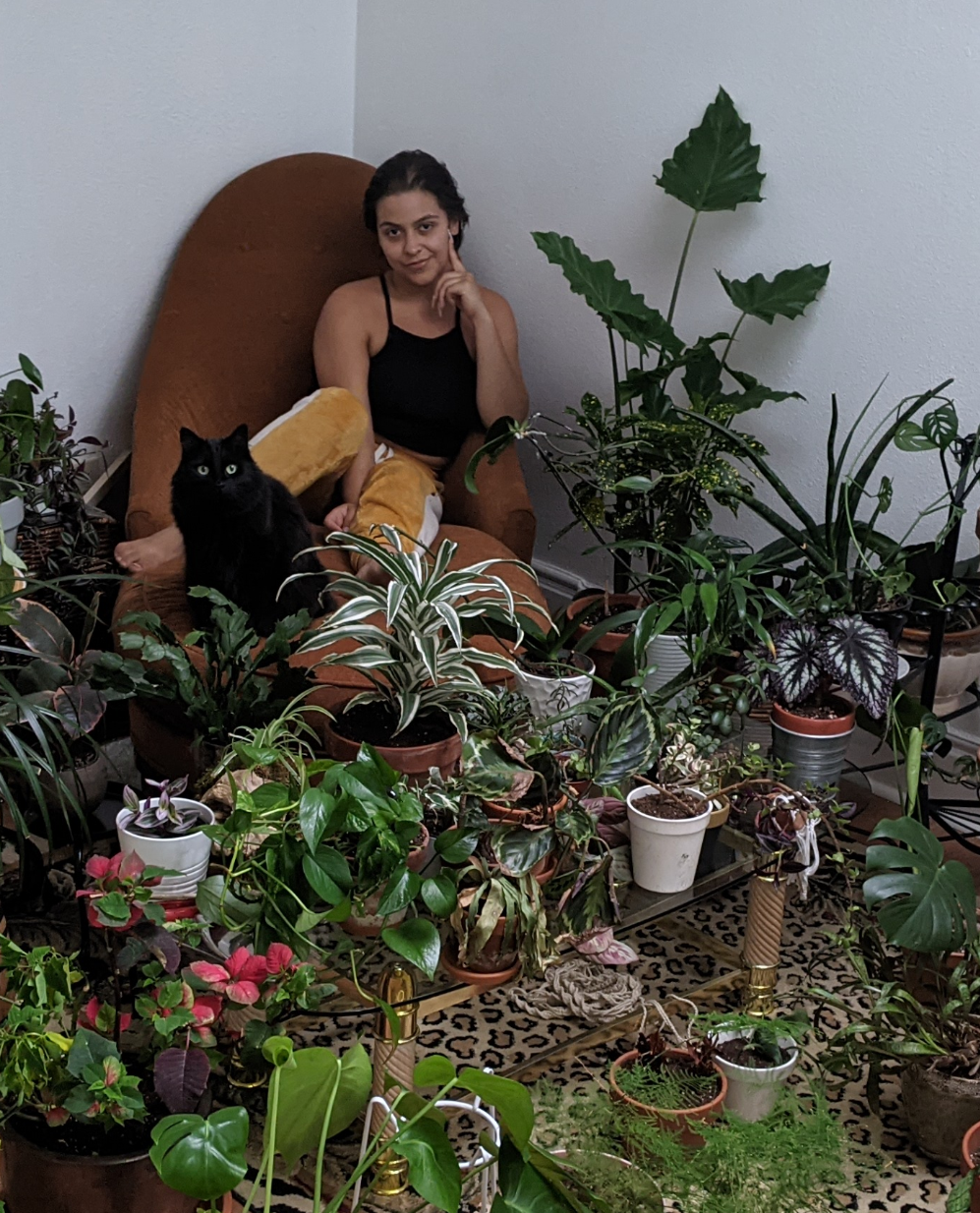 Sara Herrejon Chavez (IB): I joined the Boots lab in the fall of 2021 and study disease ecology as it relates to keystone pollinators, such as bees. My project focuses on furthering our understanding of disease dynamics between pollinator networks, using pollen as an indicator of shared resources between wild and domestic bee populations. As an undergrad at Portland State University, I worked under several faculty members, including: Dr. Todd Rosenstiel, Dr. Sarah Epply, and Dr. Daniel Ballhorn. Working with these faculty members gave me experience within the field of microbial biology and community ecology. I also participated in research via several summer research initiatives (REU programs) both at Portland State and the Cary Institute, where I gained experience in research broadly focusing on urban ecology. As an undergrad, I was also heavily involved in DEI initiatives that allowed me to gain perspectives and experiences in mentoring, teaching, and curriculum development.
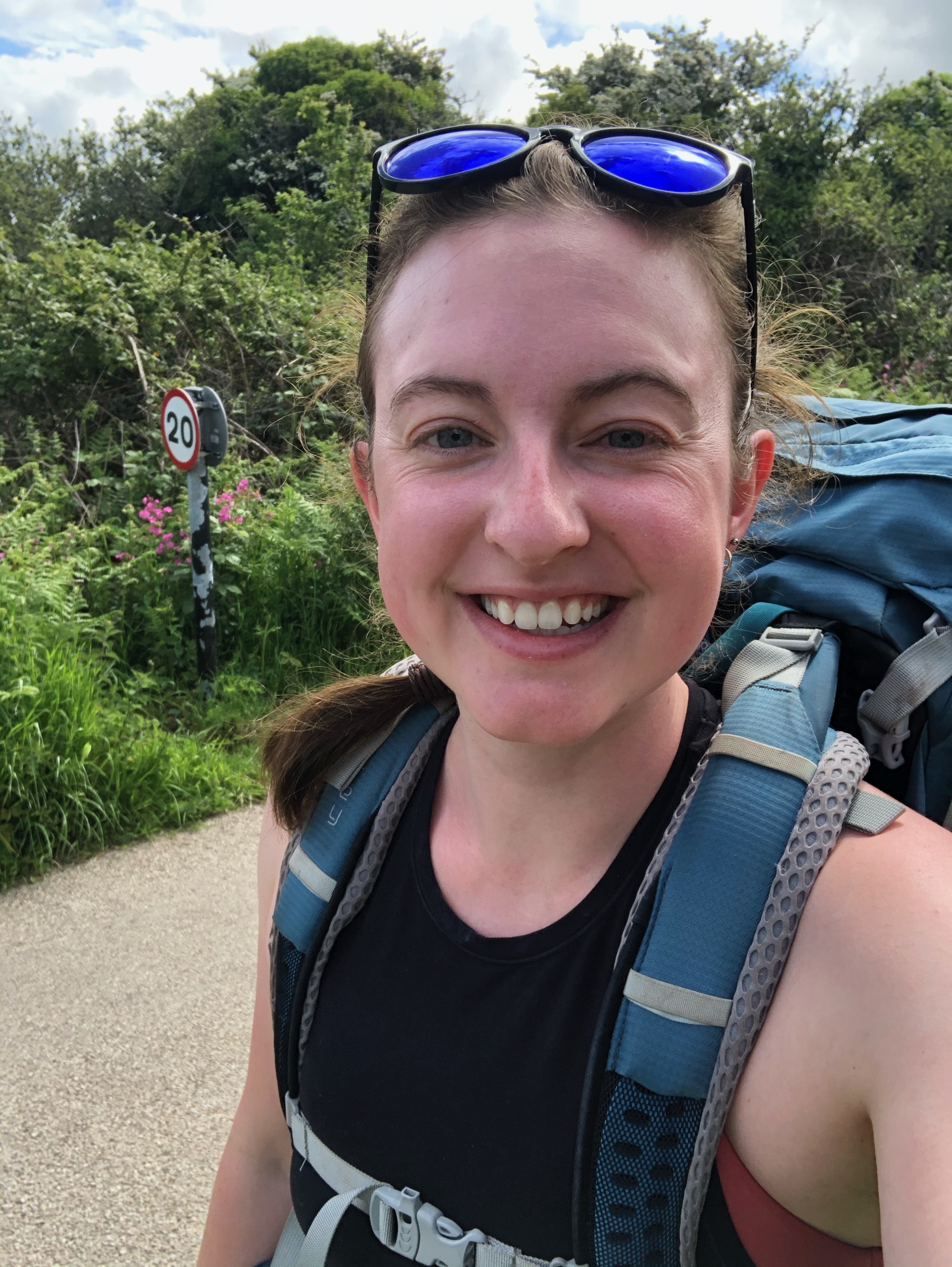 Claire Evensen (IB): I started my PhD in the Boots lab in 2021 (co-advised by Britt Koskella), and I’m broadly interested in coevolution in complex communities. My projects utilize both wet-lab and dry-lab tools from community ecology, microbiology, epidemiology, and network theory to explore how community diversity is established and maintained. I previously studied Biochemistry and Mathematics at the University of Wisconsin-Madison, where I worked with Tom Record on transcription kinetics. After graduating, I pursued an MSc in Mathematical Modelling and Scientific Computing at Oxford, where I worked with Renaud Lambiotte on network dynamical systems.
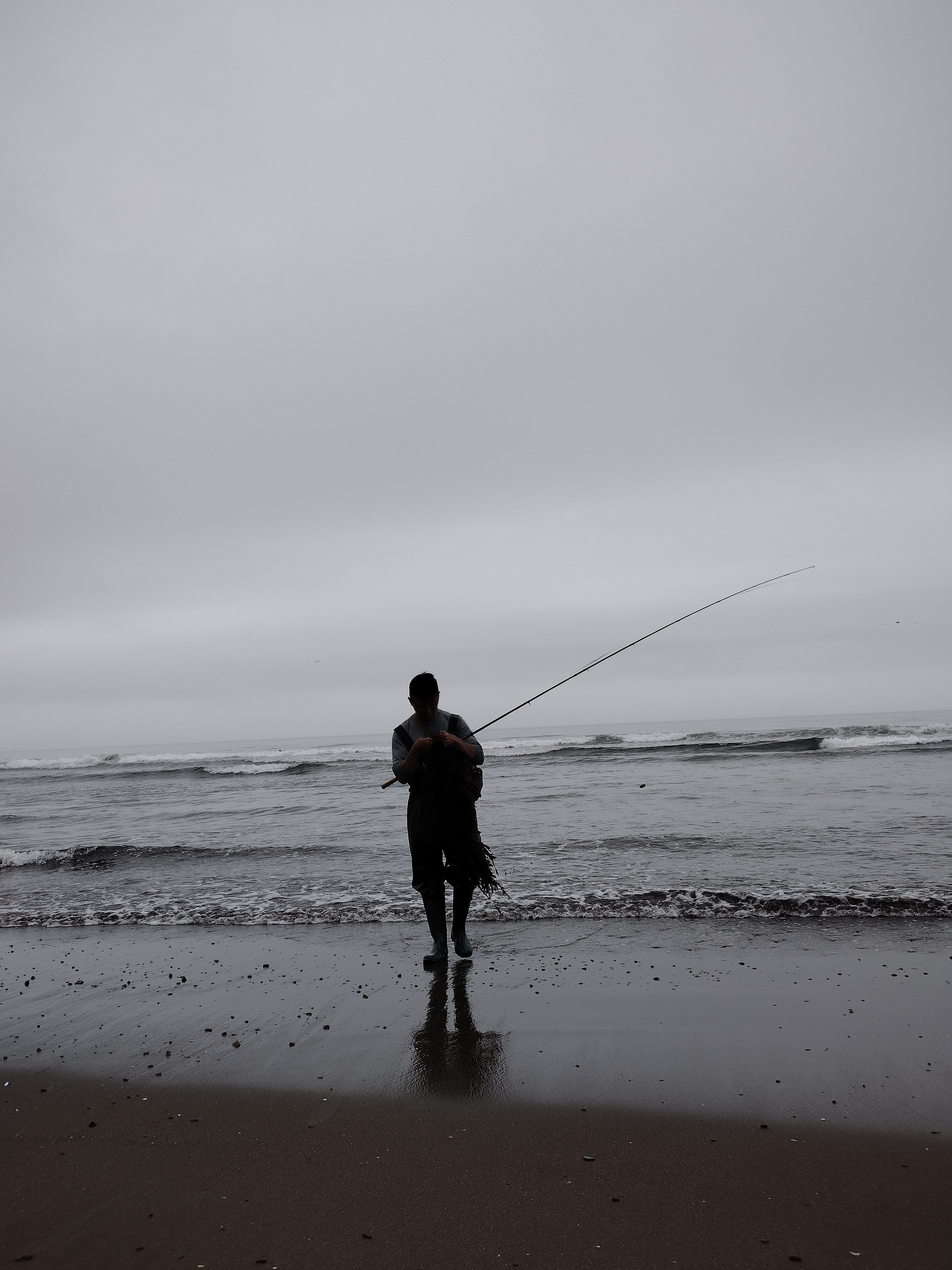 John Lo (CCB): I joined the Boots Lab and the Sudmant Lab in 2022 as a PhD student at the Center for Computational Biology. My interests range from coevolutionary dynamics, evolution of aging, and niche construction to science philosophy and political ecology. I’m specifically fascinated by how coevolutionary dynamics and, more broadly, eco-evolutionary feedbacks can produce and maintain complexity and diversity, particularly in fishes. Previously, I studied the evolution of microsatellites and retrogenes in the Blackmon Lab at Texas A&M while earning BS degrees in Statistics and Molecular Biology.
Darian Doakes (PMB): I started my Microbiology PhD in 2022 and joined the Boots lab (co-advised by Britt Koskella) in Spring 2023. I am interested in adaptive fitness of horizontal gene transfer in bacterial communities. I focus on dynamics of mobile genetic elements such as bacteriophage. I hope to corroborate my research using both adaptive dynamics and empirical techniques. In undergrad, I studied Ecology and Evolution with an emphasis in Microbiology at the University of Chicago. I then joined Tera Levin’s lab at the University of Pittsburgh where I studied Red Queen co-evolution of Legionella pneumophila bacteria and their natural predators, Dictyostelium discoideum amoebae, in vitro.
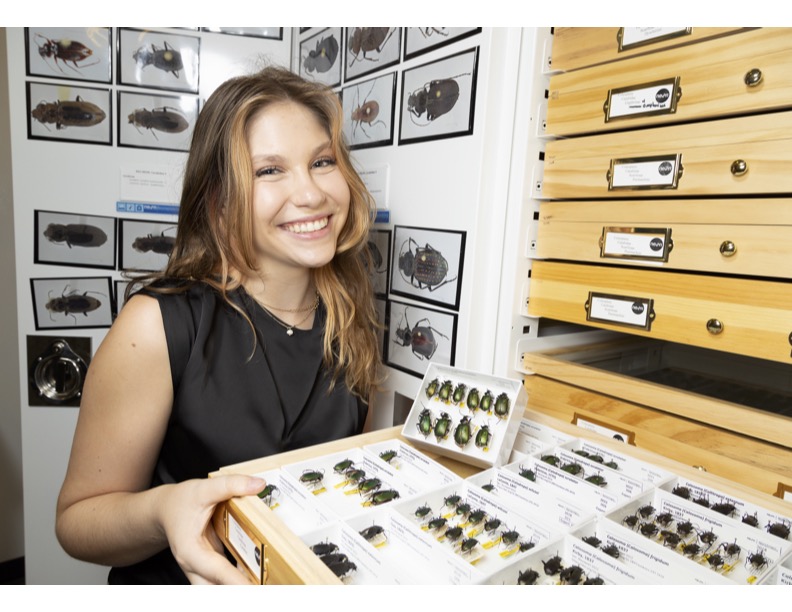
Sophia Koutsogiannis (IB): I joined the Boots lab in 2025 as a PhD student in the department of Integrative Biology. I am interested in exploring disease dynamics in relation to population diversity as well as host-parasite evolution. I earned my undergraduate degree in Biology at Arizona State University, where I had the privilege of working under Dr. Huijben, Dr. Rowsey, and Dr. Sterner. My honors thesis explored the efficacy of various resistance management techniques at reducing the frequency of alleles that confer insecticide resistance in Ae. aegypti.
Undergraduate Students
Students working in the Plodia lab with Signe White:
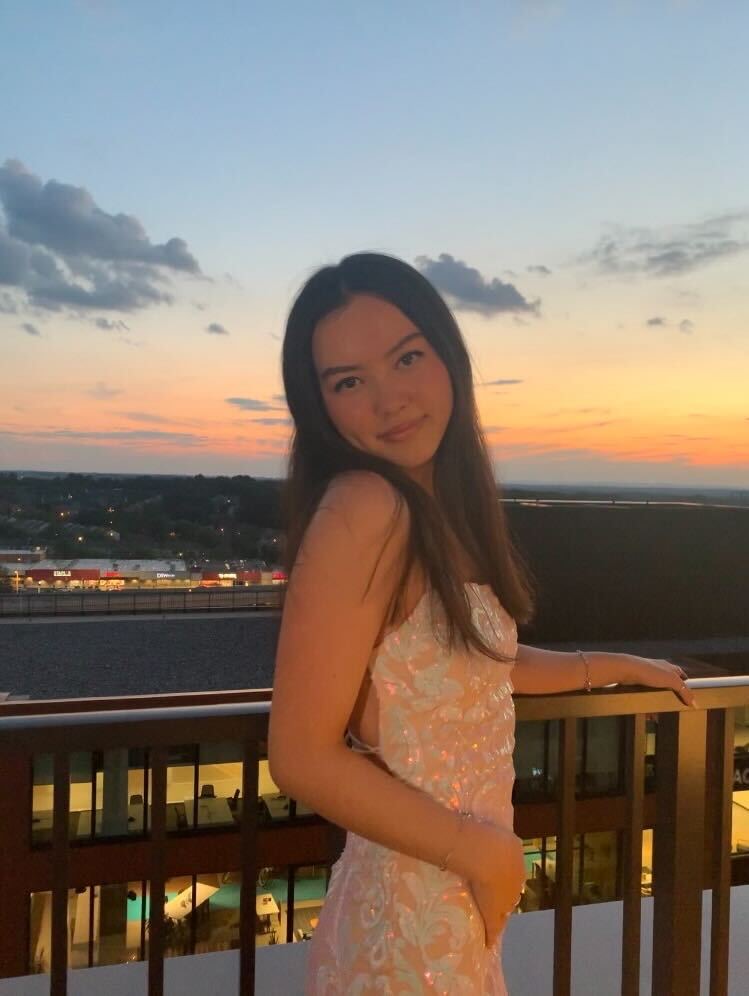
Hailey Burnsed: I am a 4th-year student from Northern Virginia studying Public Health with the intent of pursuing medicine. I am interested in exploring the evolution of virulence regarding how parasites adapt to the diversity within moth hosts. Through the Boots Lab, I have been able to understand and investigate trade-offs within the moth-virus system and I hope to further my research by delving further into virus specialization and its effects on its host.

Cooper Wood: Hi! I am a fourth year from Wisconsin studying Integrative Biology, focusing in Ecology and Evolutionary Biology, and Sociology. In the Boots Lab, I am excited to continue working with insects and to explore how environmental factors impact evolutionary resistance to pathogens. As well, I can’t wait to aid Signe in preserving some part of California’s abundant biodiversity through her work with Hastings Natural History Reserve. Apart from biology, I love dancing, music, reading, art, film, and exploring in nature!
Undergrads working in the bee system with Nina and Sara:
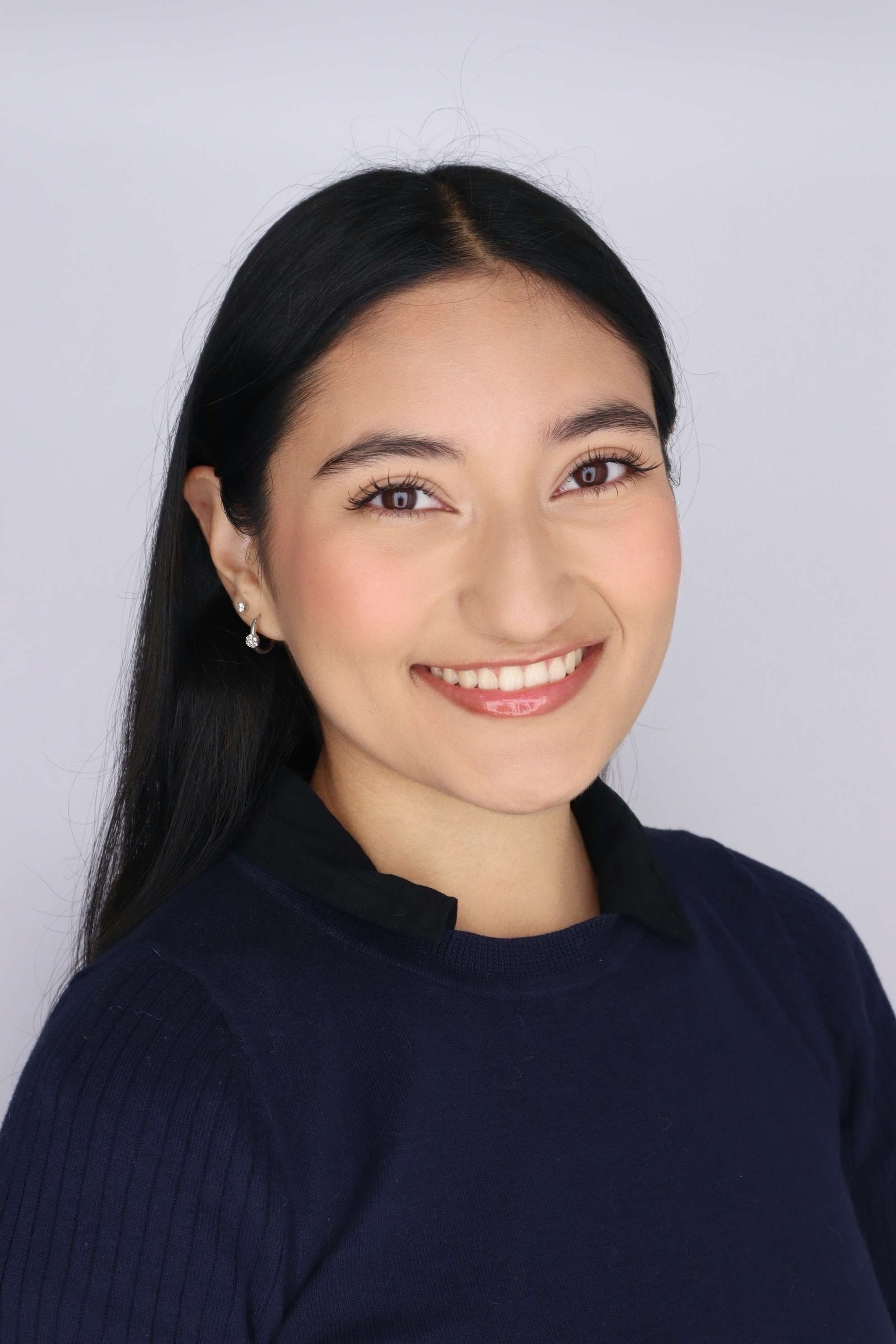
Isabel Navarro: I’m a fourth year undergraduate studying Molecular Environmental Biology with a concentration in biodiversity in the College of Natural Resources. In the Boots Lab, I’ve assisted Nina in understanding viral dynamics of managed honeybees and native bees. I also work at the UC Urban Bee Lab creating, maintaining, and databasing collections of CA and Costa Rican native bees for museum curation. Currently, I am interested in understanding plant-pollinator interactions of Berkeley’s urban bee population. I am the student communications assistant for the Berkeley Food Institute, a non-profit organization, aspiring to make the food system more just and sustainable.
Olivia Rose Priya Valladares
Haifa Myanto Maung
See our Boots Lab Alumni too!
IB = Integrative Biology
CCB = Center for Computational Biology
PMB = Plant & Microbial Biology
 Boots Lab - UC Berkeley